Breaking the Mold: Why ADHD Diagnosis and Autism Stereotypes Are Failing Neurodivergent Artists
If you’ve ever been told you “can’t have ADHD because you’re too creative” or “don’t look autistic” while seeking mental health support, you’re not alone. These harmful misconceptions are preventing countless neurodivergent individuals from receiving proper diagnosis and treatment, particularly those in creative fields where ADHD and autism traits are often misunderstood or dismissed entirely.
The intersection of neurodivergence and artistic expression reveals a complex landscape where traditional diagnostic approaches frequently fall short. For many creative professionals, the journey to understanding their ADHD or autism involves navigating a healthcare system built on outdated stereotypes and rigid criteria that don’t account for the diverse ways neurodivergent conditions manifest.
The Creative Paradox: When Artistic Talent Masks Neurodivergent Traits
Common Autism Misconceptions in Creative Communities
One of the most persistent autism stereotypes suggests that autistic individuals lack creativity or emotional expression. This couldn’t be further from the truth. Many neurodivergent artists find that their different neurological wiring actually enhances their creative abilities, providing unique perspectives and intense focus that fuel their artistic pursuits.
Healthcare professionals often miss autism diagnoses in creative individuals because they expect to see specific behavioral patterns that don’t align with the reality of how autism presents across different personalities and professions. The assumption that autistic people are antisocial or uncreative has led to countless misdiagnoses and delayed interventions.
ADHD and Creativity: More Than Just Hyperactivity
Similarly, ADHD diagnosis faces significant misconceptions in creative fields. Many artists with ADHD report being told their symptoms are simply “part of the creative process” or that their ability to hyperfocus on projects negates the possibility of having ADHD. This fundamental misunderstanding of how ADHD presents in creative individuals prevents proper treatment and support.
The reality is that ADHD and creativity often go hand-in-hand. The same brain differences that create challenges with executive function and attention regulation can also drive innovative thinking, risk-taking, and the ability to see connections others might miss.
Mental Health Red Flags: Recognizing Problematic Healthcare Interactions
Warning Signs During Diagnosis Consultations
When seeking an ADHD diagnosis or autism evaluation, several mental health red flags should prompt you to consider getting a second opinion:
Dismissive attitudes toward your lived experiences: Healthcare providers who minimize your self-observations or dismiss your concerns without proper evaluation
Reliance on outdated stereotypes: Professionals who base their assessment on narrow, traditional presentations of neurodivergent conditions
Rushing through evaluations: Comprehensive ADHD and autism assessments require time and multiple evaluation methods
Lack of specialized training: General practitioners without specific neurodiversity training may miss subtle presentations
The Importance of Specialist Care
Finding healthcare professionals who specialize in adult ADHD and autism diagnoses is crucial. These specialists understand that neurodivergent conditions present differently across individuals, especially in creative professionals who may have developed sophisticated masking strategies or whose talents compensate for certain challenges.
Understanding AuDHD: The Overlap Experience
Many individuals discover they have both ADHD and autism – often referred to as AuDHD in neurodivergent communities. This combination is more common than previously recognized, yet psychiatric misinformation often suggests these conditions are mutually exclusive.
AuDHD individuals frequently report that their creative abilities are enhanced by this neurological combination, with ADHD providing creative energy and autism offering detailed focus and pattern recognition. However, this complex presentation often confuses healthcare providers who aren’t familiar with how these conditions can coexist.
Self-Advocacy in Healthcare: Taking Control of Your Diagnostic Journey
Preparing for Your Appointment
Effective self-advocacy in healthcare requires preparation and persistence. Before meeting with a mental health professional:
Document your experiences: Keep detailed records of how ADHD or autism traits impact your daily life and creative work
Research your symptoms: Understanding current diagnostic criteria helps you communicate effectively with providers
Prepare specific examples: Concrete instances of how neurodivergent traits affect your work, relationships, and daily functioning
Bring support: Consider having a trusted friend or family member attend appointments to provide additional perspective
When to Seek a Second Opinion
If your initial evaluation doesn’t feel right or you’re left with more questions than answers, don’t hesitate to seek a second opinion. Many neurodivergent individuals report that finding the right specialist made all the difference in receiving appropriate diagnosis and treatment.
The Path Forward: Embracing Neurodivergent Identity in Creative Fields
Building Supportive Communities
The neurodivergent artist community offers invaluable support for individuals navigating diagnosis and treatment. Connecting with others who share similar experiences can provide validation, practical advice, and emotional support during challenging times.
Advocating for Better Understanding
As awareness of neurodiversity grows, neurodivergent artists play a crucial role in challenging stereotypes and educating healthcare providers about the diverse ways ADHD and autism present. Your creative success doesn’t negate your neurodivergent traits – it may actually be enhanced by them.
Moving Beyond Stereotypes: The Future of Neurodivergent Healthcare
The connection between neurodivergence and artistic expression continues to evolve as we better understand the diverse presentations of ADHD and autism. Healthcare providers are increasingly recognizing that creativity and neurodivergent conditions often complement rather than contradict each other.
Proper diagnosis opens doors to appropriate treatment options, including medication for ADHD when beneficial, accommodations in work environments, and strategies for managing challenges while leveraging strengths.
Take Action: Your Journey to Understanding
If you recognize yourself in these experiences, know that seeking proper evaluation is a valid and important step toward better mental health and creative fulfillment. Don’t let outdated stereotypes or dismissive healthcare experiences prevent you from getting the support you deserve.
Start by researching specialists in your area who have experience with adult ADHD and autism diagnoses, particularly those who understand the unique presentations in creative individuals. Remember, you are the expert on your own experiences – trust your instincts and advocate for the care you need.
Your neurodivergent traits aren’t obstacles to overcome but differences to understand and work with. With proper support and understanding, you can thrive both as a creative professional and as a neurodivergent individual embracing your authentic self.
Wegovy (semaglutide) is an FDA-approved prescription drug for weight loss. And it works! In 2023, prescriptions for semaglutide went up almost 40-fold, with nearly 1.7% of the U.S. population using it. Many may wonder how to get Wegovy for free or, at least, at a lower price.
In this post, we share ways to get Wegovy at a price you can afford and potential alternatives if you can’t.
Same-day weight loss consultations
Personalized care, prescriptions provided if appropriate, and real results—all online.
Wegovy’s pricing depends on insurance coverage. Below is an updated breakdown of costs with and without insurance as of the publication date.
How much is Wegovy with insurance?
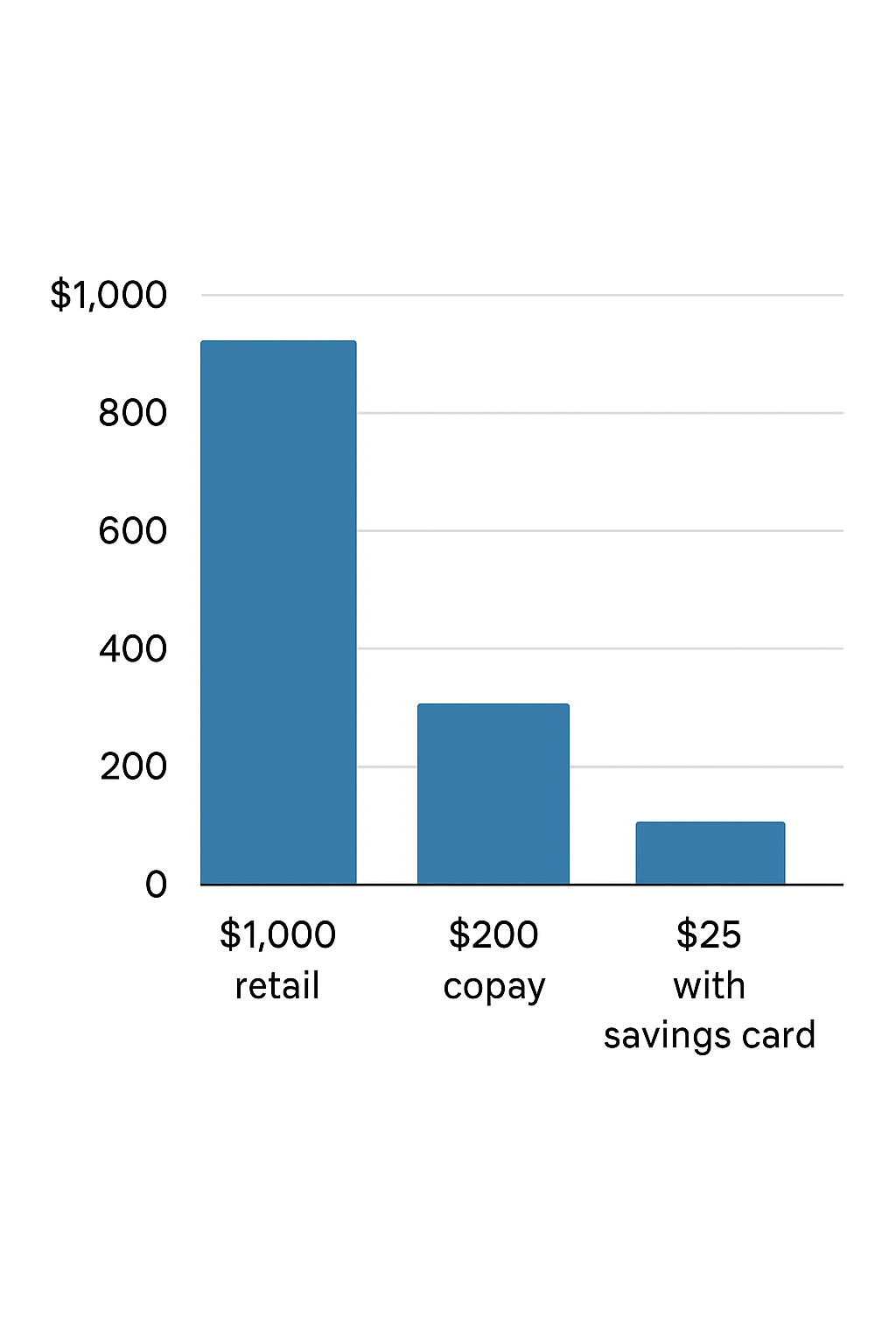
Wegovy’s cost with insurance varies. It depends on your specific plan, copays, and deductibles. With the Novo Nordisk Wegovy savings card and eligible insurance, you might pay as little as $0 for a 28-day supply. However, not all plans cover Wegovy. Even if they do, your out-of-pocket costs can vary. They could be a low copay or a higher percentage of the drug’s cost. It depends on whether you’ve met your deductible or maximum.
What is the cost of Wegovy without insurance?
Without insurance, the list price of Wegovy for a package, or one-month supply, is $1,349.02, which comes to $337.3 per week and $16,188.20 per year. The list price is what the manufacturer charges pharmacies.
However, Novo Nordisk has reduced the price for cash-paying patients. You can get it through their NovoCare Pharmacy for $499 per month. The reduced price is available for all dosage levels. It applies to patients without insurance or whose insurance doesn’t cover Wegovy.
Factors affecting Wegovy cost
The Wegovy cost is influenced by insurance coverage, manufacturer discounts, pharmacy choice, and dosage.
Insurance coverage
Wegovy coverage varies by insurance plan. Some plans may fully or partially cover it, while others may not. Check your plan details with your provider. Wegovy also has an online tool to estimate your cost.
Manufacturer discounts and savings programs
If your commercial insurance covers Wegovy, you may be eligible for the Novo Nordisk Wegovy Savings Card. This can reduce your out-of-pocket cost to as little as $0 for a 28-day supply, with a maximum monthly saving of $225 for up to 13 refills. After that, the cost may be as low as $25 per month, depending on your insurance. This program is not for those with government-funded healthcare like Medicare or Medicaid.
You can also find savings on Wegovy through websites like GoodRx, NeedyMeds, SingleCareRx, and WellRx.
Pharmacy choice
Wegovy prices may differ between pharmacies. In Los Angeles, a carton of four 0.25 mg Wegovy pens can range from $1,321 to $1,615 (prices on GoodRx.com as of the publication date).
Novo Nordisk also offers NovoCare Pharmacy, providing direct shipping of Wegovy for $499 per month for uninsured patients or those with commercial insurance that doesn’t cover obesity medications and are paying out-of-pocket.
Dosage
Wegovy’s dosage varies from 0.25 mg to 2.4 mg. The cost may increase with higher prescribed doses.
How to get Wegovy for free or less?
To get Wegovy, you need a prescription. Once you have a prescription, you can get Wegovy for free or at a discount in one of the following ways.
Novo Nordisk’s Wegovy Savings Card program
Novo Nordisk makes Wegovy. It offers the Wegovy Savings Card program that you can use to get a discount on Wegovy or get Wegovy for free.
If you have private or commercial insurance that covers Wegovy, with the program you could get a 28-day supply for free depending on what your insurance pays. It’s limited to a maximum savings of $225 for a 28-day supply and to 12 refills.
Medication, discounts, and coupons are available through prescription discount card programs, such as GoodRx, SingleCare, Blink Health, NeedyMeds, and many others. They offer savings ranging from 3% to 80% off the list price at different pharmacies. Savings are instantly accessible for free online with no need to register or qualify.
Insurance coverage options for Wegovy
Insurance coverage is a great way to pay less out of pocket for Wegovy. You can get insurance from an employer through healthcare.gov or a private plan.
Coverage for Wegovy varies from plan to plan. You can review your insurance policy paperwork to check which prescription drugs it covers. Alternatively, reach out to your provider’s customer service line and ask if Wegovy is covered. You can also check your cost and coverage on the Novo Nordisk website.
Insurers that cover the cost of Wegovy include Aetna, Cigna, United Healthcare, BlueCross BlueShield, Molina, and Oscar Insurance Company. In most cases, these insurers require prior authorization (PA) before covering the cost of Wegovy.
About Prior Authorization
Wegovy is only FDA-approved for individuals 12 years and older with a body mass index (BMI) of 30 and higher (obesity) and adults with a BMI of 27 and higher (overweight) who have weight-related medical problems. Some insurance providers may want prior authorization (PA) before they cover the medication for you.
During the PA process, the insurer asks your doctor for medical details. This is to confirm if you meet the FDA-approved criteria for Wegovy use.
If your insurer denies coverage after the PA process, you can appeal. Contact your insurer to determine the steps of its appeals process. In other cases where your insurer doesn’t cover Wegovy, you can request your insurance add coverage for Wegovy. If your appeal or request fails, a prescription discount card or alternative medication may be your best bet.
90-day or mail-order refills
If your insurance covers Wegovy, you may be able to save if you opt for a 90-day supply. With a 90-day supply you pay your co-pay once for 90 days instead of once every 30. While some insurers encourage buying in 90-day increments, others won’t cover the cost of a longer-term supply. Contact your insurance provider for details on coverage for a 90-day supply.
Your insurer may also charge a lower copay if you opt for a 90-day supply through the mail. Check with your insurance plan to see if this is an option for you.
HSAs and FSAs
With a flexible spending account (FSA) or health savings account (HSA), you stash away pre-tax dollars for medical expenses later on, including medications like Wegovy. You can also increase your contribution once a year during open enrollment.
If you’re footing the bill for Wegovy or facing high drug copays and have funds in an FSA or HSA, you can use your account to cover the cost.
FSA or HSA funds help you cover a more significant part of the drug’s cost. Both accounts offer tax advantages for qualified medical expenses. However, they have different eligibility criteria based on plan types and employment status. Ask your employer for details.
Government insurance programs for accessing Wegovy for free
Some government insurance programs offer coverage of Wegovy’s cost. The amount will vary, as with any insurance.
Medicare (available to those 65 and over or younger with a disability) doesn’t cover Wegovy. But private insurance companies that offer Medigap and Medicare Advantage plans on top of Medicare may cover Wegovy.
Medicaid covers Wegovy. It’s available from state governments to people who qualify, such as those who are low-income, qualified pregnant women and children, and individuals receiving Supplemental Security Income (SSI).
Tricare is a health program for active-duty service members, their families, and survivors. Tricare pharmacy benefits cover Wegovy when you fill it at a pharmacy in the Tricare network. You will need prior authorization (PA).
If you’re a veteran receiving care through Veterans Affairs (VA) Health Care, you may be able to get Wegovy covered as part of your treatment plan under the MOVE! Weight Management Program. Coverage can depend on your weight and the policies of your local VA facility. Contact your local VA provider to learn more.
Affordable alternative weight loss medications for Wegovy
If Wegovy isn’t affordable for you, there are possible alternative weight-loss injections and oral weight-loss pills you can discuss with your healthcare provider.
We list alternatives by cost from lowest to highest for cost comparison purposes only.
Phendimetrazine tartrate
Average retail price: $15.86 for 60 (35 mg) tablets*
About: Phendimetrazine tartrate stimulates the central nervous system to reduce appetite and help with short-term weight loss when combined with a doctor-approved exercise regimen, a reduced-calorie diet, and behavior modification. It’s approved for people who are obese or overweight with weight-related medical issues.
How to save: Explore prescription discount cards.
Diethylpropion ER
Average retail price: $35.36 for 30 (75 mg) tablets*
About: Diethylpropion ER is a generic medication that works as an appetite suppressant. It’s used short-term in a weight reduction program with diet and exercise. Those who are significantly overweight or obese and haven’t lost enough weight with diet and exercise alone might consider this medication.
How to save: Explore prescription discount cards.
Qsymia (phentermine-topiramate)
Average retail price: $227.44 for 30 (7.5 mg/46 mg) capsules*
About: Qsymia contains the active ingredients phentermine and topiramate. Phentermine suppresses appetite, while topiramate is an anticonvulsant that can help with weight loss. Qsymia is approved for use in people who are obese or have a BMI of 27 or higher and weight-related health problems.
How to save: Explore prescription discount cards and the manufacturer’s savings program.
Xenical and Alli (orlistat)
Average retail price: $461.70 for 90 (120 mg) capsules of Xenical*; $55.18 for 90 (60 mg) capsules of Alli*
About: Both Xenical and Alli use the active ingredient orlistat. They help with weight loss by reducing the absorption of dietary fats. Xenical is prescribed in higher doses and is available by prescription. Alli is a lower-dose drug available over the counter. Those who use Xenical or Alli should also follow a reduced-calorie diet and exercise regimen. Xenical is approved for use in people with a BMI of 30 or higher.
How to save: Explore prescription discount cards and possible manufacturer coupons.
Contrave (bupropion-naltrexone)
Average retail price: $661.96 for 120 (90 mg-8 mg) tablets*
About: Contrave is an oral drug used for weight management. It contains two active ingredients — bupropion and naltrexone. It works as an appetite suppressant and reduces cravings. Use should be paired with a low-calorie diet and increased physical activity. It’s approved for adults with a BMI of 30 or higher or a BMI of 27 or higher with a weight-related medical problem.
How to save: Explore prescription discount cards.
Saxenda (liraglutide)
Average retail price: $1,417.62 for a pack of 5 (3 ml) pens**
About: Saxenda is an injectable drug approved for chronic weight management. It contains liraglutide to effectively reduce food intake and regulate appetite when used with diet and exercise. It’s approved for adults who are overweight (have a BMI of 27 or higher) with a weight-related medical problem or obese (have a BMI of 30 or higher).
How to save: Explore prescription discount card programs and the manufacturer’s savings program.
Zepbound (tirzepatide)
LillyDirect self-pay pharmacy prices:
2.5mg: $349 per month (28-day supply, 4 vials).
5mg: $499 per month (28-day supply, 4 vials).
Self Pay Journey Program (7.5mg and 10mg): $499 per month, requires refill within 45 days of the previous delivery.
About: Zepbound is for chronic weight management. The once-weekly injection contains the active ingredient tirzepatide. The drug promotes fullness, delays gastric emptying, and improves insulin sensitivity for long-term weight loss. Zepbound is approved for use in adults with obesity or excess weight (overweight) with a weight-related medical issue. You should use it alongside a reduced-calorie diet and exercise regimen.
How to save: Explore prescription discount cards and the manufacturer’s savings program.
Off-label Wegovy alternatives
There are medications approved for type 2 diabetes that also lead to weight loss. Your provider could choose to prescribe these off-label (for an unapproved purpose) for weight loss instead of type 2 diabetes. Most have a similar cost to Wegovy though.
Note: Prescribing any medication off-label can put patients and healthcare providers at risk. Ozempic is in short supply due to its popularity as a weight-loss drug, which has put diabetes patients at risk. Insurers have also warned providers about prescribing medicines off-label, like Ozempic for weight loss. Before taking any medication off-label, discuss the pros and cons with your doctor.
Here, we list alternatives by cost from lowest to highest for cost comparison purposes only.
Ozempic (semaglutide)
Average retail price: $1,050.73 for a one-month supply**
About: Ozempic is a once-weekly injectable medication for type 2 diabetes. It’s similar to Wegovy and contains the active ingredient semaglutide. It’s used off-label for weight loss.
How to save: Explore prescription discount cards, the manufacturer’s savings program, or the Novo Nordisk Patient Assistance Program (PAP).
Trulicity (dulaglutide)
Average retail price: $1,039.88 for a one-month supply*
About: Trulicity is a once-weekly injectable medication that contains the active ingredient dulaglutide. Its primary use is for blood sugar regulation for type 2 diabetes. However, it can be used off-label for weight loss.
How to save: Explore prescription discount cards and the manufacturer’s savings program.
Rybelsus (semaglutide)
Average retail price: $1,050.73 or a one-month supply**
About: Rybelsus is an oral version of semaglutide for type 2 diabetes. It’s used off-label for weight loss.
How to save: Explore prescription discount cards, the manufacturer’s savings program, or the Novo Nordisk Patient Assistance Program (PAP).
Mounjaro (tirzepatide)
Average retail price: $1,136.53 per for a pack of 4 (0.5ml) pens*
About: Mounjaro is a non-insulin-based injectable drug for type 2 diabetes. It’s identical to Zepbound and simply sold under a different name for a different patient population. It can be used off-label for weight loss.
How to save: Explore prescription discount cards and the manufacturer’s savings program.
Victoza (liraglutide)
Average retail price: $860.39 for a pack of 3 (3 mL) pens*
About: Victoza is an injectable medication for blood sugar control in type 2 diabetes. It’s similar to Saxenda and contains the active ingredient liraglutide, which helps with weight loss. It can be used off-label for weight loss.
How to save: Explore prescription discount cards or the Novo Nordisk Patient Assistance Program (PAP).
* Average retail price from drugs.com.
**Average retail price from drugs.com and the manufacturer’s website.
Potential risks and benefits of getting Wegovy for less
If you search for Wegovy online, you’ll run into ads offering semaglutide for less than $300. That’s a tempting price, given what Wegovy can cost. Know though that these ads are not for Wegovy but for a compounded version from either a U.S. or foreign-based company.
Compounding pharmacies produce medications on demand using pharmaceutical-grade active ingredients. You can find semaglutide compounds at compounding pharmacies in many states and internationally.
You may choose compounded semaglutide over brand-name due to cost, supply shortages, personal preference, allergies, or added ingredients that reduce side effects and improve effectiveness. It’s important to choose a reputable, U.S.-based compounding pharmacy when buying compounded medications.
Before trying compounded semaglutide, talk to your healthcare provider about the potential risks and benefits.
Find a healthcare professional on Klarity Health and see if Wegovy is right for you
If you’re ready to start the journey to a healthier you or want a new provider for medication-managed weight loss, find an independent healthcare professional who specializes in weight management on the Klarity Health platform. Your provider can help you determine if Wegovy or another medication or program, if any, is medically necessary for you. Get started and find a weight loss provider today.
You can also find a provider for a variety of concerns on Klarity Health, including help with depression, insomnia, anxiety, and more – whether weight-related or not.
Frequently asked questions
How do I pay $0 on Wegovy?
If you have commercial insurance, you might pay as little as $0 for Wegovy by enrolling in Novo Nordisk’s Savings Card program. The card can cover up to $225 per month for a 28-day supply. The program is not for people with government-funded insurance.
How can I get Wegovy if my insurance doesn’t cover it?
If your insurance doesn’t cover Wegovy, consider 3 options: • Novo Nordisk Savings Card: For eligible patients with commercial insurance that covers Wegovy, the Novo Nordisk Savings card is an option. They may pay as little as $0 per month, with potential savings of up to $225 per month for a 28-day supply of Wegovy. • Other Savings Programs: Websites like GoodRx offer discounts on Wegovy as well as other weight loss medications. Check for the latest Wegovy discounts on these platforms. • Patient Assistance Programs (PAPs): If you qualify based on income and other criteria, PAPs can help you reduce your out-of-pocket costs for Wegovy. The amount you pay will vary depending on the program.
Where can I find a copay card for Wegovy?
The primary source for a Wegovy copay card is Novo Nordisk’s Savings Card program. Eligible patients with commercial insurance can sign up online. You may also find savings options on websites like WellRx or NeedyMeds.
Is a Wegovy coupon offered for people without insurance?
While the Novo Nordisk Savings Card primarily benefits those with commercial insurance, uninsured patients can try patient assistance programs (PAPs), third-party prescription savings cards, or NovoCare Pharmacy.
How do you get $25 Wegovy?
Third-party websites, PAPs, and Novo Nordisk used to advertise paying as little as $25 for Wegovy, but this offer is no longer available as of early 2025. Fortunately, with the Wegovy Savings card through Novo Nordisk, eligible patients with commercial insurance can get Wegovy for as little as $0 per month.
Safety information about Wegovy
Wegovy (semaglutide) is an injectable prescription medicine used with diet and exercise for chronic weight management in adults and certain adolescents. Common side effects include nausea, diarrhea, vomiting, and constipation. Serious side effects, such as possible thyroid tumors including cancer, can occur. Do not use Wegovy if you have a history of medullary thyroid carcinoma (MTC) or Multiple Endocrine Neoplasia syndrome type 2 (MEN 2).
This article went through rigorous fact-checking by a team of medical reviewers. Reviewers are trained medical professionals who ensure each article contains the most up-to-date information, and that medical details have been correctly interpreted by the author. Learn more about the editorial and medical review process and standards for the HelloKlarity site.
*Appointments are generally available within 24 hours. Free initial consultations are available only with select providers. Prescriptions, particularly for controlled substances, may require an in-person evaluation depending on the state of residence and current federal regulations.
The information provided in this article is for educational purposes only and should not be construed as medical advice. Controlled substances may not be appropriate for all patients and any mention of these medications is for educational purposes only, not for marketing or encouraging self-diagnosis. Always seek the guidance of a qualified healthcare professional with any questions or concerns you have regarding your health. Providers on Klarity Health are independent practitioners with clinical autonomy. Nothing in this article is intended to diagnose or treat any condition, including guaranteeing prescription medication of any kind or dosage. Not all providers on Klarity Health prescribe all medications, particularly medications that are controlled substances.
If you’re having a mental health crisis or experiencing a psychiatric emergency, it’s crucial to seek immediate help from a mental healthcare professional, such as a psychiatrist, psychologist, or therapist. You can also call your local emergency services, visit your nearest emergency room, or contact a crisis hotline, such as the National Suicide Prevention Lifeline, by calling or texting 988 or dialing the Lifeline’s previous phone number, 1-800-273-TALK (1-800-273-8255) in the U.S.
Ozempic is an FDA-approved GLP-1 agonist that helps control blood sugar levels in individuals with type 2 diabetes. It also helps with weight loss but can cost a lot, which is why there are programs and ways to get it for less. In this article, we cover how to get Ozempic for $25 a month or at a cost less than the retail price.
Same-day weight loss consultations
Personalized care, prescriptions provided if appropriate, and real results—all online.
Novo Nordisk, the manufacturer of Ozempic, gives a list price of $997.58 per month for Ozempic. The list price is the cost the manufacturer charges pharmacies. Drugs.com gives an average monthly cost of $1050.73, depending on the pharmacy you use.
If you have insurance that covers Ozempic, you’ll pay less. And, with or without insurance, savings programs may make Ozempic more affordable.
How do I get Ozempic for $25 a month?
You can save on Ozempic and get it for as little as $25 a month (28 days) for up to 48 months through the Ozempic Savings Card program. You do need to have commercial or private insurance and a prescription for a 1-, 2-, or 3-month supply.
Some restrictions apply. For instance, you’re limited to a maximum savings of $100 for a 1-month prescription, $200 for a 2-month prescription, and $300 for a 3-month prescription. What that means is if your drug co-pay is $200 a month for Ozempic, you pay $100 a month yourself ($200-$100 = $100).
Your actual savings, of course, will depend on your drug co-pay.
How to get Ozempic cheaper
There are still ways to save on Ozempic if you don’t qualify for the Ozpemic Savings Card program.
Check your insurance coverage
If you meet the criteria for taking Ozempic and your insurance plan covers it, you should be able to get it for the cost of your drug copay. Note that when your copay kicks in, it may depend on your insurance plan deductible and out-of-pocket maximum. Some plans require you to meet your deductible before the copay takes effect, while others offer copay coverage right away.
It’s important to review your insurance plan to understand your coverage. Check your policy to see if it covers Ozempic. You can also call your insurance provider’s customer service number on the back of your card to find out how much, if anything, it covers.
Know that Ozempic is only approved for adults with type 2 diabetes. If your doctor prescribes it off label for weight loss, your insurance plan may not cover the cost.
Look into the Novo Nordisk Patient Assistance Program (PAP)
The Novo Nordisk Patient Assistance Program (PAP) provides Oezempic at no cost to qualifying individuals who don’t have insurance if they have a total household income that’s at or below 400% of the federal poverty level. There are no enrollment fees or costs to participate.
You may be eligible for free Ozempic through the Novo Nordisk PAP if you:
Are a U.S. citizen or a legal resident.
Have a household income at or below 400% of the federal poverty level (FPL).
Do not have insurance coverage for Ozempic (some exceptions may apply).
You can download the application form on the Novo Nordisk PAP website. Part of the application needs to be completed by your healthcare provider. If approved, you will receive a supply of Ozempic shipped to your home or doctor’s office.
Use an HSA/FSA account
If you have a Health Savings Account (HSA) or a Flexible Spending Account (FSA), you can use these pre-tax funds to pay for Ozempic. This can lower your overall cost by reducing your taxable income.
As an FDA-approved prescription medication, Ozempic is generally eligible for HSA/FSA use. However, some plans may require a Letter of Medical Necessity (LMN) from your doctor. Contact your HSA/FSA provider to confirm their documentation requirements.
When paying out of pocket, consider using your HSA/FSA debit card at the pharmacy. If direct payment isn’t an option with your account, you can pay upfront and submit a reimbursement claim later.
Use a prescription discount card
Several prescription discount card programs exist, including GoodRx, SingleCare, RxSaver, and others. These programs let people with and without insurance pay less for medications. You can use the programs’ websites to compare prices at local pharmacies and get discounts to pay less than the retail price.
Here’s how to use them:
1. Visit a discount card website or app and search for Ozempic.
2. Compare prices across different pharmacies, as discounts may vary
3. Show the discount code to your pharmacist when you fill your prescription.
While these discounts typically can’t be combined with insurance or other savings programs, they offer an alternative if your insurance doesn’t cover Ozempic or has a high copay. Comparing the price with and without a discount card may help you get the lowest possible price.
Talk to your healthcare provider
Your healthcare provider may be able to help you find ways to get your medication more affordable. Just bring up your concerns and let them know that the cost will be hard for you. They might have suggestions for lower-cost alternatives or be able to suggest resources to help.
Safe, effective, and affordable weight loss – consult online today
Skip the wait. Get FDA-approved treatment and expert support from home.
Getting a 90-day supply of Ozempic can sometimes be more affordable. Some insurance companies encourage this by offering lower copayments for 90-day supplies or when using mail-order pharmacies. Not all insurance companies cover 90-day medication refills or discounts for mail-order refills. Contact your insurance plan to find out what your options are.
Consider Ozempic alternatives
If Ozempic is out of reach of your pocketbook or not covered by your insurance, talk to your healthcare provider about other weight loss injections or medical weight loss programs to figure out if one might be a fit for you.
The same insurance coverage basics apply to other injections and medications. Discounts are available for any of them through a prescription discount card program. And all have manufacturers’ savings programs. However, most are just as pricey as Ozempic.
Medication
Active ingredient
Primary use
Avg. retail price (Monthly)
Savings program
Trulicity
dulaglutide
Lower blood sugar
$1,040
Manufacturer savings program ($25 for 3 months)
Mounjaro
tirzepatide
Lower blood sugar, weight loss
$1,137
Manufacturer savings program ($25/month)
Rybelsus
semaglutide
Lower blood sugar
$1051
Manufacturer savings program (as low as $10/month)
Victoza
liraglutide
Lower blood sugar, weight loss
$577
Patient Assistance Program
Byetta
exenatide
Lower blood sugar
$897
Manufacturer affordability options
BYDUREON BCise
exenatide extended-release
Lower blood sugar
$873
Manufacturer savings program (may pay nothing), other affordability options
Trulicity (dulaglutide)
Trulicity is a once-weekly injectable medication that contains the active ingredient dulaglutide. It’s approved to lower blood sugar for people with type 2 diabetes. Drugs.com gives an average retail price of about $1040 for a one-month supply.
Eli Lilly, Trulicity’s maker, has a Trulicity savings program where eligible individuals can pay just $25 for 12 pens, which is a 3-month supply.
Mounjaro (tirzepatide)
Mounjaro is an injectable medication developed by Eli Lilly. It activates GIP and GLP-1 pathways to help regulate blood sugar for people with type 2 diabetes. It also helps people lose weight. Eli Lilly sells the identical medication under the brand name Zepbound just for weight loss. Mounjaro has a list price of $1,079.77 for a one-month supply. Drug.com lists an average retail price of about $1,137 per month.
Eli Lilly does offer a savings & resources support program for Mounjaro where you could pay just $25 a month if eligible.
Rybelsus
Rybelsus is another medication with semaglutide as the active ingredient. It’s essentially the oral version of Ozempic. It’s approved to control blood sugar levels in adults diagnosed with type 2 diabetes. Its list price is $997.58.77. Drugs.com gives an average retail price of about $1,051.
Like Ozempic, it qualifies for Novo Nordisk PAP. Novo Nordisk also has a savings program where you could pay as little as $10 a month for Rybelsus.
Victoza (liraglutide)
Victoza is an injectable medication for blood sugar control in people with type 2 diabetes. Its active ingredient, liraglutide, also helps people lose weight. Drugs.com gives an average retail price of about $577 for a one-month supply.
Victoza qualifies for the Novo Nordisk Patient Assistance Program (PAP), but Novo Nordisk doesn’t offer a savings program for it.
Byetta (exenatide) and BYDUREON BCise (exenatide extended-release)
Exenatide is an injectable diabetes medication that helps with blood sugar control. It’s injected twice a day. Exenatide extended-release is injected just once a week. Drugs.com gives an average retail price of about $897 for Byetta and $873 for BYDUREON BCise.
AstraZeneca makes both medications. It offers a savings program for BYDUREON BCise, where you may be able to pay nothing for the medication. It also offers other affordability options.
Find a healthcare provider through Klarity Health and start your weight loss journey today
This article went through rigorous fact-checking by a team of medical reviewers. Reviewers are trained medical professionals who ensure each article contains the most up-to-date information, and that medical details have been correctly interpreted by the author. Learn more about the editorial and medical review process and standards for the HelloKlarity site.
*Appointments are generally available within 24 hours. Free initial consultations are available only with select providers. Prescriptions, particularly for controlled substances, may require an in-person evaluation depending on the state of residence and current federal regulations.
The information provided in this article is for educational purposes only and should not be construed as medical advice. Always seek the guidance of a qualified healthcare professional with any questions or concerns you have regarding your health. Providers on Klarity Health are independent practitioners with clinical autonomy. Nothing in this article is intended to diagnose or treat any condition, including guaranteeing prescription medication of any kind or dosage. Not all providers on Klarity Health prescribe all medications, particularly medications that are controlled substances.
If you’re having a mental health crisis or experiencing a psychiatric emergency, it’s crucial to seek immediate help from a mental healthcare professional, such as a psychiatrist, psychologist, or therapist. You can also call your local emergency services, visit your nearest emergency room, or contact a crisis hotline, such as the National Suicide Prevention Lifeline, by calling or texting 988 or dialing the Lifeline’s previous phone number, 1-800-273-TALK (1-800-273-8255) in the U.S.
Wegovy, like Ozempic, is an injectable medication. Wegovy (semaglutide) is approved for weight loss. While Ozempic is approved for type 2 diabetes but is being used off-label for weight loss. They’re both so successful for weight loss that the manufacturer, Novo Nordisk, has struggled to keep up with demand. That’s left many people wondering “Where can I find Wegovy in stock?”
Wegovy (semaglutide) is a medication approved by the Food and Drug Administration (FDA) in 2021 to help people lose weight loss and maintain weight loss. It’s intended for adults with a body mass index (BMI) of 30 or more or a BMI or 27 or more who have a weight-related medical problem. It can also be used in children over 12 with a BMI in the 95th percentile for their age and weight. Anyone using Wegovy should follow a reduced-calorie diet and do more exercise.
It was developed after Ozempic (semaglutide), which was approved to help lower blood sugar in people with type 2 diabetes in 2017, and found to cause weight loss. Novo Nordisk developed Wegovy, which is similar to, but not interchangeable, with Ozempic to tap into the weight loss market.
Wegovy is a glucagon-like peptide-1 (GLP-1) receptor agonist. GLP-1 medications help with weight loss by mimicking a natural hormone in the body called GLP-1. GLP-1 reduces cravings and makes people feel full sooner and longer so they eat less.
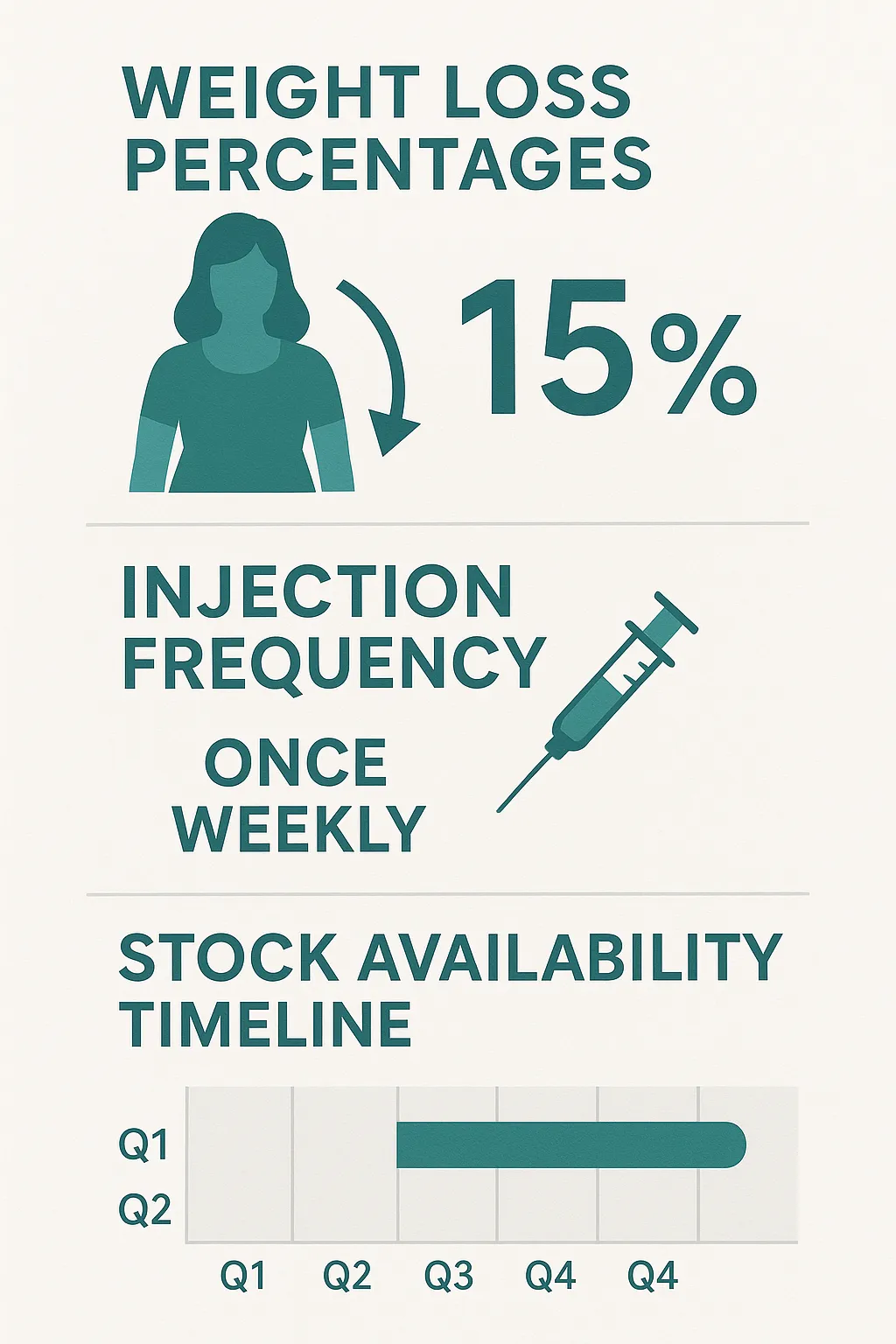
Wegovy is taken as a self-administered injection once a week.
In clinical trials, participants on Wegovy lost 14.9% of their initial body weight in 68 weeks. That’s more than 37 pounds for a 250-pound person. It’s the potential to lose weight that’s led to Wegovy’s huge popularity and people struggling to find it.
Why is Wegovy out of stock?
The supply of Wegovy became a problem in 2022 due to the popularity of the drug taking the manufacturer, Novo Nordisk, by surprise. Demand outstripped its production capabilities. And patients were unable to find the medication.
Wegovy comes in 0.25-, 0.5-, 1.0-, 1.7-, and 2.4-milligram single-use pens. Users start at the lowest dose and increase to the next dose once a month until reaching either a 1.7- or 2.4-milligram maintenance dose.
When supply became an issue, Novo Nordisk originally focused on ensuring maintenance doses were available, so current users could find the medication. Since then, Novo Nordisk has worked to ramp up production for all doses.
As of the time of publication, Novo Nordisk reported that it was shipping all doses. The FDA however, reported ongoing shortages of all but the 2.4 milligram doses.
Tip! Before you and your provider plan to have you start on Wegovy, check with local and/or online pharmacies to make sure you can find it, especially since the starting doses remain the hardest to find.
Is Wegovy back in stock now?
Yes, Wegovy is back in stock as of our publication date. The Food and Drug Administration (FDA) announced in February 2025 that the shortage of semaglutide injection products, including Wegovy, is resolved. Semaglutide injection products had been in short supply since 2022 due to high demand.
Are all doses of Wegovy available now?
Yes, all doses of Wegovy are now available as of our publication date. The FDA announced the resolution of the Wegovy shortage in February 2025, and its updated list shows regular shipments to wholesalers, meaning supply meets U.S. demand. Novo Nordisk also confirmed full availability as of February 21, 2025, and NovoCare Pharmacy offers all doses for $499 per month for self-pay patients.
Where can I find Wegovy in stock?
Your options for finding Wegovy are pretty standard. You need to find a pharmacy with inventory on hand. There are a few ways to do that. For instance, larger, chain pharmacies with greater buying power and inventories in general are more likely to have stock on hand.
Options for finding Wegovy include the following.
Ask your provider
Your provider might have ideas for where to find Wegovy. They may be able to connect you with pharmacies in your area or online pharmacies that can fill the prescription. They may have worked with other patients who’ve struggled to get Wegovy and have ideas based on their experiences.
Online pharmacies
Online pharmacies, especially larger ones like amazonpharmacy.com, walgreens.com, cvs.com, and riteaid.com, are more likely to have large inventories on hand compared to a smaller local pharmacy. They offer the added benefit of delivering your medication right to your door too.
Still, call your preferred online pharmacy to make sure they have a reliable current and ongoing supply, especially if you’re just starting to take it.
If you’re considering shipping Wegovy, using a Wegovy travel case cooler may help your medication remains at the optimal temperature during transit.
Local pharmacies
Your local pharmacy may be able to fill your Wegovy prescription. As with online pharmacies, the larger the pharmacy, the more likely they’ll have a reliable inventory of Wegovy. Larger chain pharmacies — even locally — like Walgreens, CVS, Target, or RiteAid, may be a better option than your local grocery store pharmacy. Still, call and talk to them first.
Tip! If you’re already taking Wegovy and your regular pharmacy can’t refill your prescription, you can transfer your prescription to another pharmacy.
Doctor’s office or clinics
Some doctor’s offices and clinics have pharmacies at their facilities. These pharmacies function like retail or independent pharmacies and are often partnered with a larger retail pharmacy. Some are independently owned. You may be able to find Wegovy at one of these pharmacies. If your doctor’s office or clinic does have a pharmacy, they can let you know if Wegovy is in stock.
Foreign pharmacies
According to Business Insider, some consumers in the U.S. have been able to get certain medications from pharmacies in Canada and Mexico. Please note that it may be illegal to import drugs or devices into the U.S. for personal use. Products from outside the U.S. are often not approved by the the FDA for use and sale in the U.S. even if approved in the country it’s shipping from.
Also, pharmacies in other countries aren’t regulated by the FDA. If you have to turn to a foreign pharmacy, follow the same precautions outlined in the FDA’s webpage linked above.
If in the end, you can’t find a pharmacy where you can get Wegovy, ask your healthcare practitioner about other options.
Wegovy alternatives and their availability
You might be able to find an alternative to Wegovy that supports your medically supervised weight loss goals. You can seek guidance from your provider about these alternatives, their effectiveness, and how they fit with your weight loss needs. Like Wegovy, all of these medications have potential risks and side effects and health professionals can give you more information.
Note that if you’re already taking Wegovy, you should not take Saxenda — or any of the alternatives included here — at the same time.
Wegovy from a compounding pharmacy
Compounding pharmacies use pharmaceutical-grade active ingredients to prepare compounded versions of medications on demand and if they meet requirements outlined in the Federal Food, Drug, and Cosmetic (FD&C) Act.
While compounded medications should be the same as those made by a drug manufacturer, they aren’t subject to the same FDA testing process and may not contain the same active ingredient as FDA-approved semaglutide medications. They may also be semaglutide sodium or semaglutide acetate, which aren’t the same as semaglutide and aren’t proven to be safe and effective.
Still, you could turn to a reputable compounding pharmacy to get semaglutide. Before you do, talk to your healthcare provider.
Update – March 2025 The FDA has recently updated its stance. With the Wegovy shortage officially resolved in late February 2025, the FDA is phasing out the allowance for compounding pharmacies to produce copies of Wegovy. Traditional compounding pharmacies (503A) must stop by April 22, 2025, and larger outsourcing facilities (503B) by May 22, 2025. It is always best to consult your doctor for personalized advice on the most appropriate treatment options for you.
Zepbound (tirzepatide)
If Wegovy isn’t available, Zepbound may be your next best prescription weight loss option. It’s a weekly injection that received FDA approval for weight loss in November 2023. It has a different active ingredient than Wegovy but can ultimately help curb appetite and decrease how much you want to eat. In clinical trials, participants on Zepbound lost 5 to 18% of their body weight in 72 weeks compared to participants taking a placebo.
Saxenda (liraglutide)
Saxenda works similarly to Wegovy and is another injection that can help with weight loss. Saxenda is a daily instead of weekly injection. Data from clinical trials found that participants on Saxenda lost 5 to 10% of their body weight.
Contrave (bupropion-naltrexone)
Contrave combines two medications, naltrexone and bupropion, to assist with weight loss. Contrave is an oral medication. In clinical trials, a larger percentage of participants on Contrave achieved a 5 to 10% loss of body weight in 56 weeks compared to those taking a placebo.
Xenical and Alli (orlistat)
Orlistat is an oral medication that works by stopping certain enzymes in the stomach and pancreas from breaking down dietary fat. This helps your body absorb less fat, making it easier to lose weight. Orlistat is sold under the brand names Xenical and Alli. Alli is available over the counter. Xenical is available by prescription.
When taken consistently, orlistat stops your body from absorbing about 30% of the fat in your diet. One study found that Xenical use resulted in an average of 2.4% body weight loss in 4 years.
Qsymia (phentermine-topiramate)
Qsymia is a pill that combines two medicines: phentermine and topiramate. Phentermine helps decrease appetite and how much people eat. Topiramate helps to increase feelings of fullness and suppress appetite. In clinical trials, a majority of participants on Qsymia lost at least 5% of their body weight in 24 weeks.
Medications for people with type 2 diabetes that have been used off-label for weight loss
There are a handful of medications approved to treat type 2 diabetes that also lead to weight loss and that have been prescribed by providers off-label for weight loss. Using a medication off-label means using it for a purpose other than what it’s approved for. Off-label use still requires a prescription.
Mounjaro (tirzepatide)
Mounjaro is the same medication and has the same active ingredient, tirzepatide, as Zepbound. It’s approved to help regulate blood sugar in people with type 2 diabetes when used along with diet and exercise.
While your provider could prescribe Mounjaro instead of Zepbound for weight loss, off-label use isn’t recommended. Both the FDA and insurers are cracking down on medications for people with type 2 diabetes being used off-label for weight loss. Additionally, insurance companies may deny coverage for off-label claims unless the provider provides a strong justification for the use and you get prior authorization.
Ozempic and Rybelsus (semaglutide)
These medications both contain the active ingredient semaglutide, like Wegovy. They’re both approved to help improve control of blood sugar levels in people with type 2 diabetes. They aren’t identical to or interchangeable with Wegovy.
Trulicity is an injection. It’s approved in adults with type 2 diabetes to improve blood sugar (glucose) when used along with diet and exercise. It also helps reduce the risk of major cardiovascular events (problems having to do with the heart and blood vessels). While it may affect weight, it’s not approved for weight management.
If you have type 2 diabetes one of these alternatives may help you both lose weight and control your blood sugar. Whether you do or don’t have type 2 diabetes, the first step in finding the right weight loss program for you is to talk to your healthcare provider.
Find a healthcare provider to help with your weight loss needs on Klarity Health
Whatever your weight loss goals, don’t go it alone. Get the support of a healthcare professional to identify the best weight loss approaches that will work for you. On the Klarity Health platform, find a provider to guide you on your weight loss journey.
How we reviewed this article
This article went through rigorous fact-checking by a team of medical reviewers. Reviewers are trained medical professionals who ensure each article contains the most up-to-date information, and that medical details have been correctly interpreted by the author. Learn more about the editorial and medical review process and standards for the HelloKlarity site.
*Appointments are generally available within 24 hours. Free initial consultations are available only with select providers. Prescriptions, particularly for controlled substances, may require an in-person evaluation depending on the state of residence and current federal regulations.
The information provided in this article is for educational purposes only and should not be construed as medical advice. Controlled substances may not be appropriate for all patients and any mention of these medications is for educational purposes only, not for marketing or encouraging self-diagnosis. Always seek the guidance of a qualified healthcare professional with any questions or concerns you have regarding your health. Providers on Klarity Health are independent practitioners with clinical autonomy. Nothing in this article is intended to diagnose or treat any condition, including guaranteeing prescription medication of any kind or dosage. Not all providers on Klarity Health prescribe all medications, particularly medications that are controlled substances.
If you’re having a mental health crisis or experiencing a psychiatric emergency, it’s crucial to seek immediate help from a mental healthcare professional, such as a psychiatrist, psychologist, or therapist. You can also call your local emergency services, visit your nearest emergency room, or contact a crisis hotline, such as the National Suicide Prevention Lifeline, by calling or texting 988 or dialing the Lifeline’s previous phone number, 1-800-273-TALK (1-800-273-8255) in the U.S.
Where can I find Wegovy in stock?
Your Ultimate Weight Loss Guide
Wegovy Supply Shortage
High Demand Overwhelms Production
Demand surged since 2022, causing shortages—especially for starting doses. Production prioritized maintenance supply amid high requests.
What Is Wegovy?
FDA-Approved Weight Loss Injection
Wegovy (semaglutide) reduces cravings and increases fullness. Taken weekly, it supports a reduced‐calorie diet for significant weight loss.
Proven Weight Loss Results
Clinical Trial Effectiveness
Studies show nearly 15% weight loss over 68 weeks, equating to over 37 pounds lost for many patients.
Key Statistics and Insights
Numbers That Matter
14.9% weight loss in 68 weeks
Weekly injections with gradual dosing
Stock fully available in 2025
Finding Wegovy Stock
Pharmacy Options and Tips
Consult your healthcare provider
Check major chain and online pharmacies
Confirm current stock before refills
Alternative Weight Loss Options
Other Effective Medications
Zepbound: Weekly injection for weight loss
Saxenda: Daily injection option
Oral meds like Contrave and Xenical
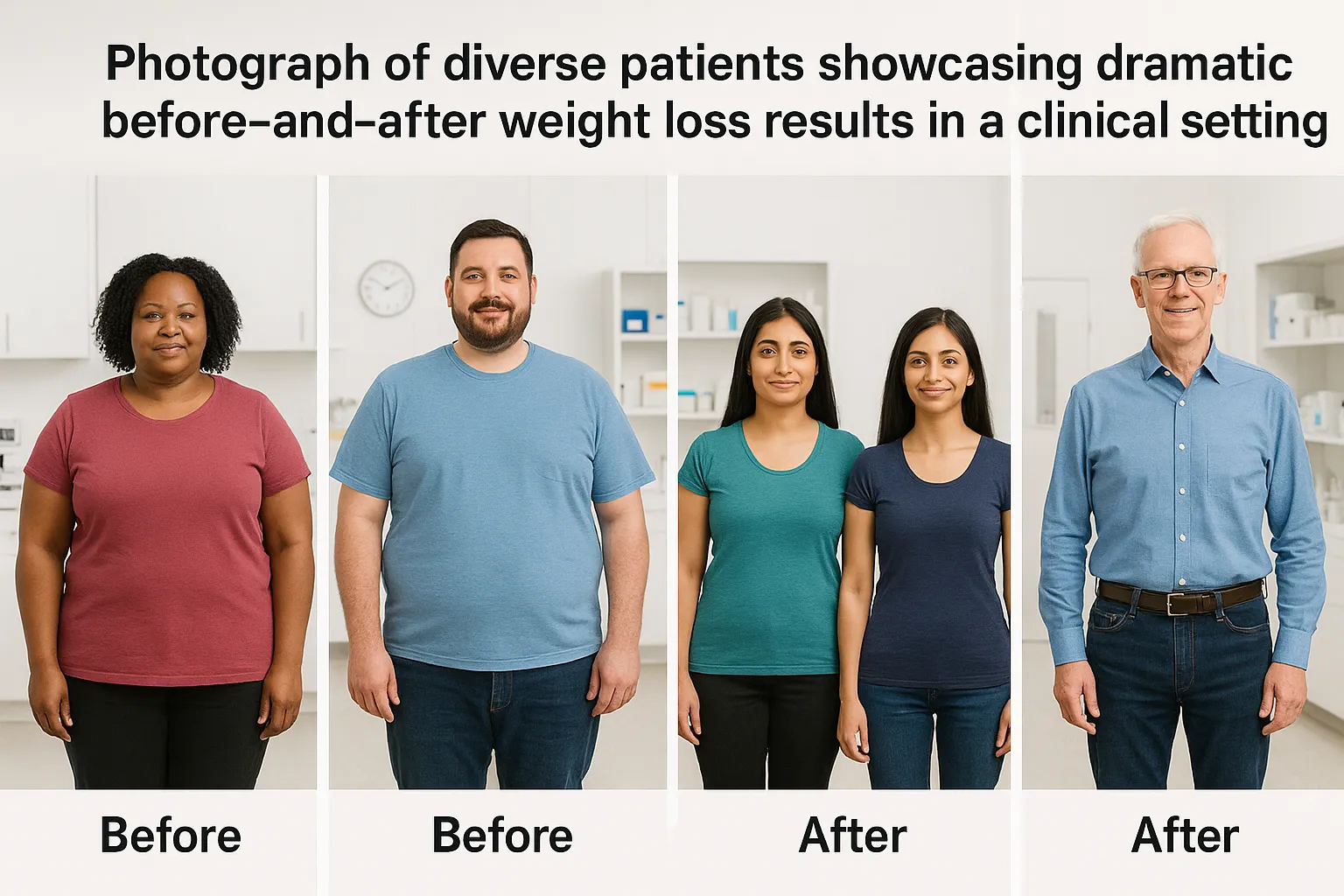
Real-World Success Stories
Patient Transformations Shared
Key Takeaways
Summary and Next Steps
Wegovy offers effective weight loss. Explore pharmacy options, consider alternatives, and consult professionals for personalized care.
For many people with attention deficit hyperactivity disorder (ADHD), the traditional approach of in-person doctor visits for an Adderall prescription may not be possible or desirable. Sitting in a waiting room is something you may want to avoid if you have ADHD. If you find yourself in this situation, you may be wondering how to get prescribed Adderall for ADHD treatment.
In the guide, we explore the process of how to get prescribed Adderall. You’ll learn about how to find a reputable online provider, insurance coverage in different states, how Adderall works, and Adderall alternatives during a shortage.
Need an evaluation for an Adderall prescription?
Talk to a licensed provider to see if Adderall is appropriate for you in 24 hours*
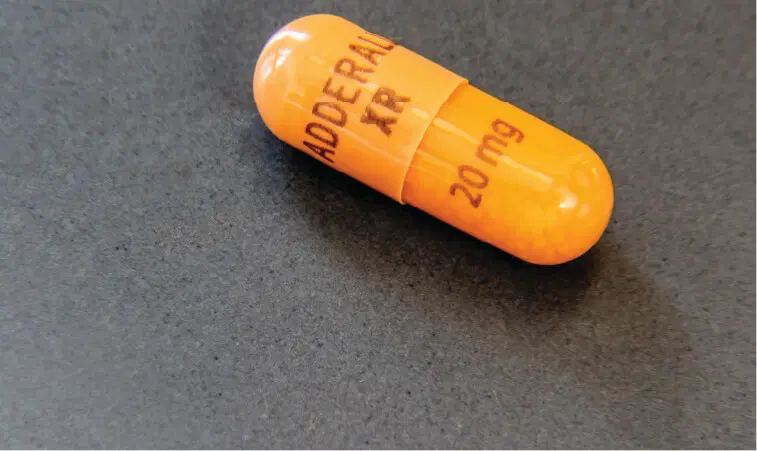
Before seeking an ADHD prescription, it’s important to understand what Adderall and other similar medications treat and their potential side effects. Adderall is an amphetamine and a central nervous system (CNS) stimulant, a medication that triggers the release of dopamine and norepinephrine in the brain.
Dopamine helps with behavior control and the ability to complete tasks. Norepinephrine provides energy and alertness, which contributes to increased focus and memory. This effect on the brain can improve attention span, impulse control, focus, memory, and more.
But as with any type of medication, there are certain potential side effects to know. Below are some of the common side effects of taking Adderall tablets.
Stomachache
Decreased appetite
Nervousness
The most common side effects of Adderall XR (extended-release) capsules in adults include:
How to get an Adderall prescription? Online vs. Offline
Online
Offline
Cost
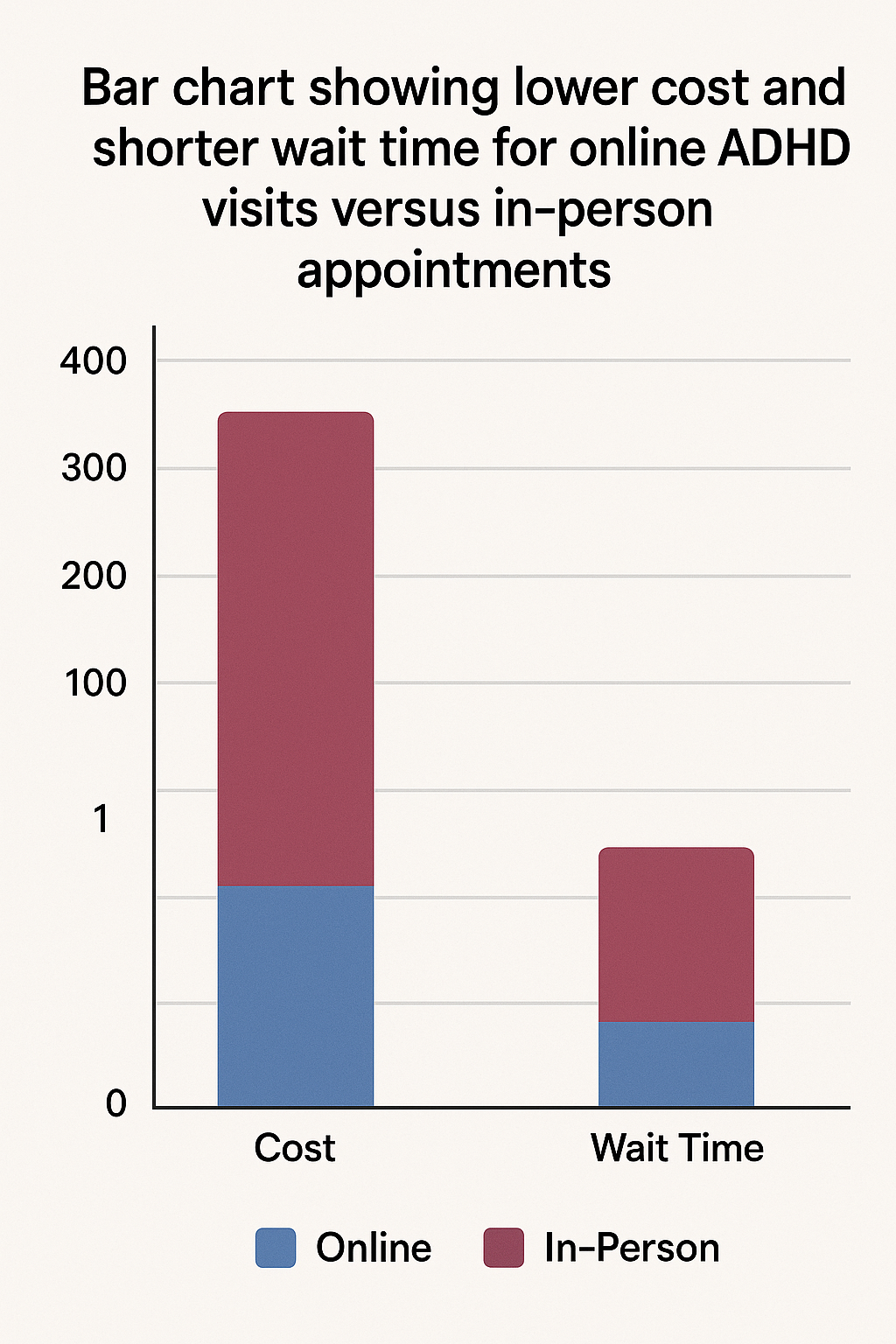
Online visits are generally more affordable, typically costing $50-$200 without insurance.
In-person visits are typically more expensive, generally costing $100-$600 or more without insurance.
Convenience
Accessing online providers from home is convenient.
In-person visits are less convenient due to the need to travel to the office.
Time
Online visits are faster due to no commute. Appointments on telehealth platforms like Klarity Health can often be available within 24 hours.*
In-person visits are slower, requiring travel to the office. Scheduling may take several weeks.
How to obtain an Adderall prescription through in-person doctor visits
Whether you think you have ADHD or you’ve already been diagnosed, you’re probably considering taking Adderall, but you need a prescription first. To get an Adderall prescription via an in-person doctor’s visit, follow these steps:
Prepare for your visit: List your ADHD symptoms (e.g., impulsivity, difficulty sitting still, short attention span, trouble focusing, forgetfulness, losing things).
Schedule an appointment: Book a visit with your primary care physician or a psychiatrist.
Discuss your symptoms: Describe your current ADHD symptoms, referring to your prepared list, and explain how they impact your daily life.
Answer honestly: Respond truthfully to your provider’s questions about your symptoms and any concerns you have.
Express openness to medication: Inform your provider that you are open to considering Adderall as a treatment option. Based on your symptoms and current medications, they will recommend the most suitable treatment, which might include Adderall, alternative medications like Ritalin, therapy, or other approaches.
How to get prescribed Adderall online in 3 easy steps
Before COVID-19, it wasn’t possible for healthcare providers to prescribe controlled substances online. But during COVID-19, the Drug Enforcement Administration (DEA) made it temporarily legal for prescribers to do so. The DEA has since issued 3 extensions to the Temporary Extension of COVID-19 Telemedicine Flexibilities for Prescription of Controlled Medications. Currently, the prescription of controlled substances, such as Adderall online, is possible through the end of 2025.
That means you can get a prescription for Adderall online until then. Here’s how.
Step 1: Choose a telehealth provider to prescribe Adderall online
Whether you go into a provider’s office or prefer online appointments, you need a prescription from a healthcare professional to get Adderall. The provider also needs to determine that Adderall is medically necessary to treat your ADHD symptoms. So, the first step to getting a prescription online is choosing a telehealth provider.
While many psychiatrists are available online, only those in the state you live in can give you a prescription for medications. Adderall is categorized as a Schedule II controlled substance by the DEA, making it illegal for healthcare providers to prescribe to patients outside the state where they practice.
The telemedicine providers on Klarity Health live and practice throughout the U.S. All providers on Klarity Health have extensive experience evaluating patients for ADHD and prescribing Adderall online to help relieve its symptoms when appropriate.
Step 2: Book a virtual appointment to get your Adderall prescription online
Finding a telemedicine provider doesn’t immediately let you get Adderall online. Because Adderall is a controlled substance, to get an Adderall prescription, you must meet with a provider who determines that Adderall is medically necessary for you. The advantage of telemedicine is that you never have to leave the comfort of your home.
During a virtual appointment with your online provider, you’ll discuss your ADHD symptoms. This lets them make a diagnosis and determine if Adderall is the right prescription for your treatment goals.
Step 3: Get your Adderall prescription
If your online provider agrees that an Adderall prescription is a medically necessary part of your ADHD treatment plan, they’ll send your prescription to your pharmacy of choice. Your Adderall prescription will arrive right on your doorstep or at your local pharmacy, depending on the delivery options of your pharmacy.
Once you receive your prescription and begin taking it, you’ll have follow-up virtual appointments with your online provider to assess how it’s working for your ADHD symptoms. It’s important to follow your provider’s instructions for taking and adjusting your dosage.
Important points about getting prescribed Adderall online
Even though the DEA extended the ability to get prescriptions online through 2025, it’s important to stay up-to-date with changes to make sure your provider can continue to renew your Adderall prescription. Different states have different policies on prescribing stimulants online. Schedule an online appointment with a licensed provider on Klarity Health in your state to discuss your best options. Note that not all providers on Klarity Health prescribe controlled substances.
Adderall is a controlled substance
Adderall is a widely prescribed medication composed of amphetamine salts that’s U.S. Food and Drug Administration (FDA)-approved to manage ADHD and narcolepsy. Under the United States Controlled Substances Act, Adderall is classified as a Schedule II controlled substance. This classification is based on its recognized medical uses but also its high potential for abuse, misuse, and addiction.
The criteria for classification under the Controlled Substances Act include factors such as the drug’s potential for abuse, the evidence of its medical benefits, and the likelihood of physical or psychological dependence. Adderall, as a Schedule II substance, is considered to have a high potential for abuse or physical dependence. It’s also recognized as having legitimate medical uses when prescribed and administered under proper medical supervision.
Adderall can only be obtained with a valid prescription, and its use is closely monitored to prevent misuse and abuse. Understanding the risks associated with Adderall, such as potential side effects and the importance of responsible use, is important if you rely on it for treatment.
Potential side effects
The most common side effects of standard-release Adderall are stomachache, reduced appetite, fast heartbeat, and nervousness.
Adderall XR has a few more common side effects for adults that include dry mouth, loss of appetite, trouble sleeping, headache, weight loss, nausea, anxiety, agitation, dizziness, fast heartbeat, diarrhea, weakness, and urinary tract infections (UTIs).
All forms of Adderall are Schedule II controlled substances because they can lead to dependency. They have an FDA boxed warning for the risk of abuse, misuse, and addiction.
Before and while taking Adderall, talk to your provider about your health history and any history of substance abuse. If you have negative side effects while taking Adderall, you’re encouraged to report them to the FDA by visiting MedWatch or calling 1-800-FDA-1088.
Who should not take Adderall?
People with the following health issues and other factors shouldn’t take Adderall due to the increased risk of harm:
History of allergic reactions. A history of allergic reaction to Adderall, amphetamine, or any of its ingredients.
Currently taking or have recently taken an MAOI. Taking or having recently taken a monoamine oxidase inhibitor (MAOI) may increase the risk of dangerously high blood pressure.
Glaucoma. Adderal may lead to increased eye pressure and make glaucoma worse.
Hyperthyroidism. Adderall may worsen hyperthyroidism or an overactive thyroid.
High blood pressure or heart disease. Adderall may boost your risk of high blood pressure or heart issues or make your condition worse if you already have it.
History of drug misuse. Adderall has a high risk of drug dependence and misuse. If you have a history of drug dependence or misuse, your provider may recommend another medication.
How to get prescribed Adderall without insurance
You don’t need insurance to get prescribed Adderall. However, you need a prescription to get Adderall, so you need to meet with a healthcare provider — online or in person — to get a prescription.
Brand-name Adderall averages $12.34 per tablet, or up to $1,234 monthly. If you aren’t using insurance, there are ways to lower the price of your medication. The first is to ask your healthcare provider about the generic version — amphetamine-dextroamphetamine. A month’s supply of generic oral tablets costs $21.39–$52.79, and extended-release capsules range from $44.57–$828.93.
To lower the cost further, look into discounted prescription programs and pharmacy savings cards offered by your preferred pharmacy or services like SingleCare, WellRx, NeedyMeds, GoodRx, and others. You may be eligible for discounted medications based on your income or other circumstances.
A common approach to obtaining Adderall without insurance is to see a provider online through telehealth services. Many telemedicine platforms, like Klarity Health, offer competitive pricing on provider visits, making it an accessible and cost-effective option to get a prescription for the medication you need without insurance.
Find licensed providers for your ADHD medication needs*
No insurance is needed. Same-day appointment available.
*Appointments are generally available within 24 hours. Free initial consultations are available only with select providers.
*Appointments are generally available within 24 hours. Free initial consultations are available only with select providers.
How to talk to your ADHD provider about an Adderall prescription
Talking about ADHD with your doctor or healthcare provider is the only way to get Adderall online. However, discussing your ADHD can be difficult or abstract. It’s best to be clear, specific, and detailed when talking with your telemedicine provider so they can make an accurate diagnosis and determine whether an Adderall prescription can help you.
Below, we describe how best to explain your ADHD to a doctor so they can prescribe Adderall for your ADHD online (if indicated).
Describe your symptoms
Whether you suffer from ADHD or another condition, talk about what you’re going through with your therapist so they can help you in the best way possible. It helps to write down your symptoms before your virtual appointment so you can accurately describe your condition and don’t inadvertently leave anything out.
Several ADHD symptoms in adults occur. Accurately presenting the symptoms that you struggle with can help your provider determine whether prescribing Adderall online to you will help resolve these symptoms or if a different medication is better suited to your needs.
For help describing your ADHD symptoms, try this ADHD symptoms checklist and share your results with your doctor or provider. Or take this free online ADHD test and share your result with your doctor. Either can give you common talking points to use.
Answer your doctor’s questions accurately
Your doctor will ask you a number of questions to provide an accurate diagnosis. It’s important that you answer these questions as accurately as possible so your clinician can understand what you’re going through.
Providing this kind of detail can help your doctor or provider better understand how your ADHD hinders your daily routine and if Adderall might help.
Provide a full medical history
Your full medical history will help your provider determine whether Adderall or another ADHD medication is right for you. Present any of your other health conditions, whether it’s a heart condition, mental health disorder, substance use disorder, or previous ADHD diagnosis. Tell your provider about any medications and supplements you take.
Health conditions and medication can conflict with taking Adderall for your ADHD, which is why it’s important to discuss your full medical history.
Adderall alternatives if you can’t find Adderall in stock
Get same-day Adderall prescription online from providers on Klarity Health
The providers on Klarity Health offer professional diagnoses and can prescribe the medication that best works for you if any. Klarity Health also offers free around-the-clock text messaging with your provider, who will monitor both your symptoms and side effects. And if Adderall isn’t the answer (or is unavailable), they can change your medication to a safe and effective Adderall alternative.
Frequently asked questions
How long does it take Adderall to work?
You might notice some initial effects within the first few days. However, it typically takes several weeks to see the full benefits of Adderall. Your doctor may gradually adjust your dosage to find the optimal dose for your symptoms.
When is the best time to take Adderall?
The best time to take Adderall depends on the formulation, so follow your doctor’s instructions. Take the immediate-release tablet in the morning or early afternoon. Take the extended-release capsule in the morning right after waking up. Taking it too late may interfere with sleep.
What do I tell my doctor to get ADHD medication?
ADHD medication is an effective treatment when appropriately prescribed. First, you’ll need a thorough ADHD evaluation and diagnosis from a qualified healthcare provider. Based on this, your provider may prescribe medication, recommend therapy, or both as part of your treatment plan.
Why is it so hard to get a prescription for Adderall?
Adderall is a controlled drug regulated by the Drug Enforcement Administration (DEA). There is a high risk of misuse and dependence when taking Adderall. You need to go through a thorough evaluation process to get diagnosed with ADHD, then your provider may prescribe Adderall if medically appropriate.
Who can prescribe Adderall?
Licensed medical doctors (including psychiatrists), physician assistants (PAs), and nurse practitioners (NPs) can typically prescribe Adderall and other ADHD medications, depending on state laws. Not all healthcare providers have the legal authority to prescribe medication.
This article went through rigorous fact-checking by a team of medical reviewers. Reviewers are trained medical professionals who ensure each article contains the most up-to-date information, and that medical details have been correctly interpreted by the author. Learn more about the editorial and medical review process and standards for the HelloKlarity site.
*Appointments are generally available within 24 hours. Free initial consultations are available only with select providers. Prescriptions, particularly for controlled substances, may require an in-person evaluation depending on the state of residence and current federal regulations.
The information provided in this article is for educational purposes only and should not be construed as medical advice. Controlled substances may not be appropriate for all patients and any mention of these medications is for educational purposes only, not for marketing or encouraging self-diagnosis. Always seek the guidance of a qualified healthcare professional with any questions or concerns you have regarding your health. Providers on Klarity Health are independent practitioners with clinical autonomy. Nothing in this article is intended to diagnose or treat any condition, including guaranteeing prescription medication of any kind or dosage. Not all providers on Klarity Health prescribe all medications, particularly medications that are controlled substances.
If you’re having a mental health crisis or experiencing a psychiatric emergency, it’s crucial to seek immediate help from a mental healthcare professional, such as a psychiatrist, psychologist, or therapist. You can also call your local emergency services, visit your nearest emergency room, or contact a crisis hotline, such as the National Suicide Prevention Lifeline, by calling or texting 988 or dialing the Lifeline’s previous phone number, 1-800-273-TALK (1-800-273-8255) in the U.S.
Tirzepatide is the active ingredient in 2 brand-name medications — Mounjaro and Zepbound. It’s also a newer class of drugs called GIP/GLP-1 receptor agonists. If you’re taking either and hope to lose weight, using the right dose matters. Here, we give you a 101 on tirzepatide dosage for weight loss, so you have the information you need.
Start your weight loss journey today
Same-day appointments with board-certified providers. Get medications prescribed online if appropriate.
Mounjaro and Zepbound are the only available forms of U.S. Food and Drug Administration (FDA)-approved tirzepatide. There’s no generic version of either medication. Compounded tirzepatide is available from compounding pharmacies. Compounded medications are custom-made medication that can be tailored to meet your needs or personal preference and are often cheaper than similar brand-name drugs. It’s important to talk to your provider about potential risks and benefits before trying compounded tirzepatide.
Tirzepatide is a combination GIP (glucose-dependent insulinotropic polypeptide) and GLP-1 (glucagon-like peptide-1) agonist. The dual action of the 2 leads to weight loss by mimicking the body’s natural GIP and GLP-1 hormones. They stimulate the pancreas to secrete insulin, which helps with blood sugar control. And they slow down how fast food leaves the stomach, which makes you feel full and decreases appetite so you can lose body weight.
Mounjaro was approved first in 2022 to help people with type 2 diabetes regulate their blood sugar, aka blood glucose. It’s approved when used along with diet and exercise.
People taking Mounjaro found that they lost weight. And because Novo Nordisk’s Ozempic and Wegovy were selling so fast they became hard to find, Mounjaro’s manufacturer Elli Lilly successfully got tirzepatide approved for weight loss as Zepbound in November 2023.
Zepbound was approved for use in obese adults or adults who are overweight and have 1 or more weight-related health problems like high blood pressure, type 2 diabetes, or high cholesterol. It should be used as part of a weight loss program that includes a reduced-calorie diet and increased physical activity.
Mounjaro is not approved for weight loss. And Zepbound is not approved to lower blood sugar for people with type 2 diabetes. But both help with weight loss. In 2 different clinical trials, people taking tirzepatide — with and without diabetes — lost 12.8 to 20.9% of their body weight in 72 weeks.
Available tirzepatide dosages
Mounjaro and Zepbound are available in the same 6 dosages. Each dose comes in a prefilled single-dose pen. And 1 dose is taken each week. So a month’s supply requires 4 pens.
Tirzepatide doses include:
2.5 milligrams per 0.5 milliliters prefilled single-dose pen
5 milligrams per 0.5 milliliters prefilled single-dose pens
7.5 milligrams per 0.5 milliliters prefilled single-dose pens
10 milligrams per 0.5 milliliters prefilled single-dose pens
12.5 milligrams per 0.5 milliliters prefilled single-dose pens
15 milligrams per 0.5 milliliters prefilled single-dose pens
You use a pen to inject yourself under the skin of your stomach, upper arm, or thigh each week.
Injections tips
Get instructions on how to inject yourself from your healthcare provider, pharmacist, or the manufacturer’s website.
Don’t inject yourself in the same place each week, rotate injection sites instead.
Stick to a schedule and inject yourself at the same basic time on the same day of the week each week. To help you remember, create a reminder with an alert on your smartphone or watch.
Don’t worry about injecting yourself when you eat, you can take tripeptide with or without a meal.
If you’re taking tirzepatide for type 2 diabetes, you can inject it and your insulin in the same area of your body but don’t inject them next to each other.
If you need to inject Mounjaro while traveling, storing your pens in a Mounjaro travel case may help with medication stability.
From starting to maintenance tirzepatide dosage
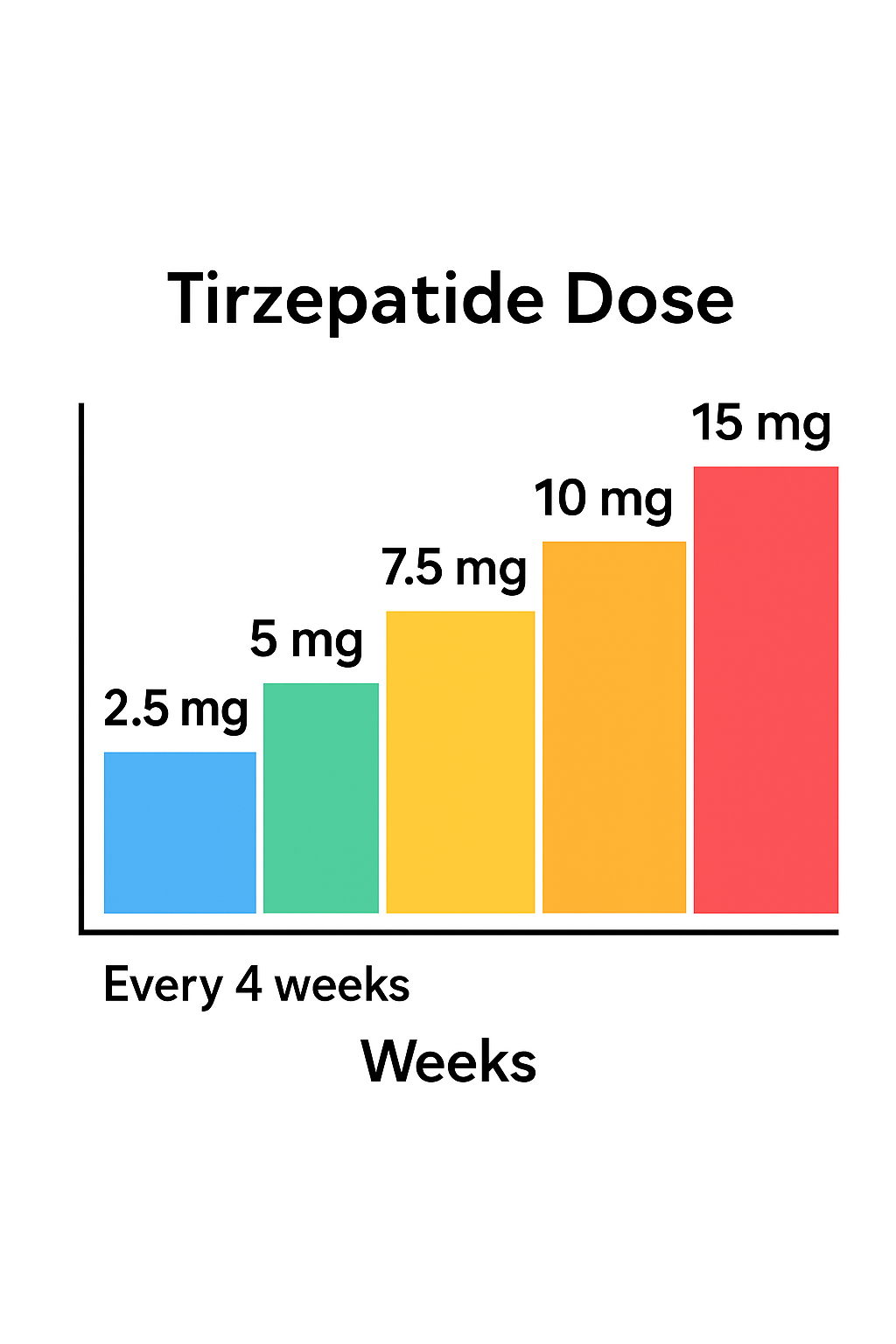
Zepbound with the active ingredient tirzepatide, like other weight loss injections, follows a stepped dosing schedule. You start out at a small dose, so your body can adjust and you can minimize common Zepbound side effects, like nausea, diarrhea, decreased appetite, vomiting, constipation, dyspepsia (pain in the upper stomach area), and abdominal pain. You then increase your dose every 4 weeks until you reach a maintenance dose.
For Zepbound, the target maintenance dose is often 15 milligrams. Clinical studies show that people lose the most weight at this dosage. It’s possible for the maintenance dose of Zepbound to be lower — from 5 milligrams and up — depending on how well you tolerate it.
For Mounjaro the maintenance dose can be 5, 7.5, 10, 12.5, or 15 milligrams. The final maintenance dose depends on how much you need for ideal blood sugar control and how well you tolerate the medication.
Tirzepatide dosage chart for Mounjaro vs Zepbound
Weeks
Zepbound (tirzepatide) dosage
Mounjaro (tirzepatide) dosage
Weeks 1–4
2.5 mg
2.5 mg
Weeks 5–8
5 mg 💉
5 mg 💉
Weeks 9–12
7.5 mg 💉
7.5 mg 💉
Weeks 13–16
10 mg 💉
10 mg 💉
Weeks 17–20
12.5 mg 💉
12.5 mg 💉
Weeks 21+
15 mg 💉
15 mg 💉
💉 Potential maintenance dose.
If you don’t tolerate Zepbound or Mounjaro well, your healthcare provider may have you increase your dose more slowly, such as every 8 weeks. They may also have you step back to a smaller maintenance dose if you don’t tolerate a higher dose. For example, if you don’t tolerate 15 milligrams, your provider may step you back to 12.5 milligrams as your maintenance dose.
Tirzepatide dosage tips
Don’t increase your dosage faster than shown in the chart or instructed by your provider. Increasing your dose faster increases the chance of side effects.
If you’re taking Mounjaro, don’t take more than your provider’s recommended dose to avoid complications with blood sugar control.
If you do experience side effects like nausea, eat smaller, more frequent meals, avoid fat and fatty foods. Try eating bland foods, like toast, crackers, or rice. And stop eating as soon as you feel full.
Tirzepatide dosage for weight loss
Your doctor may prescribe a medication with the active ingredient of tirzepatide for you for different conditions. One is to help treat type 2 diabetes, in which case your healthcare provider will likely prescribe Mounjaro. The other is to lose weight if you’re obese or overweight with a related health condition. In the latter case, your provider will prescribe Zepbound. If you have type 2 diabetes and have a body mass index of 27 or higher, which makes you medically overweight, your provider may also prescribe Zepbound.
When you take a medication with the active ingredient of tirzepatide for either reason, you can expect to lose some weight. What medication you’re prescribed and your dosage will depend on your health status, how much weight you need to lose, and, if you have type 2 diabetes, how well you’re currently controlling your blood glucose level.
When taking either Zepbound or Mounjaro, your clinician will work with you to determine the best maintenance dose based on how well you tolerate the medication and your specific needs.
What to do If you miss a dose of Zepbound or Mounjaro
It’s best to take a medication with the active ingredient of tirzepatide on the same day every week. Every Monday, for example. Taking it on the same day each week ensures you maintain a consistent level of medication in your body and get the most out of it.
To make sure you take it on time, consider setting a reminder with an alert on your smartphone or posting a note somewhere you’ll see it regularly.
If you do miss a dose, here’s what to do:
If it’s been no more than 4 days since your missed dose (96 hours), take the missed dose.
If it’s been more than 4 days (96 hours) since you missed the dose, skip it and simply take your next dose on the same day and time you take your dose each week.
Missed tirzepatide dose sample chart
Time of normal weekly dose
When to take missed dose
When to take missed dose if not taken by Friday at 9:00 a.m.
Monday, 9:00 a.m.
Anytime before Friday, 9:00 a.m.
Following Monday, 9:00 a.m. — the time of normal weekly dose
Important! Never take 2 doses of tirzepatide at the same time or within 4 days of each other. Taking too much can be harmful.
What to do if you take too much tirzepatide
Taking extra medication won’t help you lose weight faster or control your diabetes better, but it may cause unneeded side effects. The only way to take too much is to use 2 of the single-dose prefilled pens too close together or at the same time.
If for any reason you take 2 doses within 3 days (72 hours) of each other, call your healthcare provider or the Poison Control Center (1-800-222-1222) for advice on what to do.
How to change your tirzepatide injection day
You can easily change the day of the week you take Mounjaro or Zepbound.
Say you take it on Monday and want to change to take it on Tuesday instead, simply take your next dose on Tuesday of the following week. Then continue taking it on Tuesday each week after that.
The key consideration if you want to change the day you take your injections is to not take 2 doses within 3 days of each other. So, if you want to switch from Monday to Tuesday, don’t take it Monday and Tuesday of the same week. Wait until the Tuesday of the week after you take your dose on Monday.
How to get a prescription for Zepbound or Mounjaro
To get a prescription fora medication with the active ingredient of tirzepatide — whether Zepbound or Mounjaro — you need to talk to a licensed healthcare provider, such as a medical doctor (MD), nurse practitioner (NP), or physician assistant/associate (PA). You can do that in-office or online through a healthcare marketplace, including Klarity Health.
Your provider can create a tailored weight loss plan for you, determine if a weight loss medication should be part of that plan, get a prior authorization for Zepbound or another medication if needed, and monitor your health during your weight loss journey.
If your provider starts you on tirzepatide for weight loss or blood sugar management, make sure you understand all possible side effects of Zepbound or Mounjaro as well as their contradictions and warnings. You can get these from our provider, pharmacists, or on the DailyMed pages for Zepbound or Mounjaro.
Start your weight-loss journey this week
If you’re ready to start your weight-loss journey, connect with a weight-loss specialist on Klarity and have an appointment in as little as 24 hours.* What are you waiting for? Find a provider now.
How we reviewed this article
This article went through rigorous fact-checking by a team of medical reviewers. Reviewers are trained medical professionals who ensure each article contains the most up-to-date information, and that medical details have been correctly interpreted by the author. Learn more about the editorial and medical review process and standards for the HelloKlarity site.
*Appointments are generally available within 24 hours. Free initial consultations are available only with select providers. Prescriptions, particularly for controlled substances, may require an in-person evaluation depending on the state of residence and current federal regulations.
The information provided in this article is for educational purposes only and should not be construed as medical advice. Always seek the guidance of a qualified healthcare professional with any questions or concerns you have regarding your health. Providers on Klarity Health are independent practitioners with clinical autonomy. Nothing in this article is intended to diagnose or treat any condition, including guaranteeing prescription medication of any kind or dosage. Not all providers on Klarity Health prescribe all medications, particularly medications that are controlled substances.
If you’re having a mental health crisis or experiencing a psychiatric emergency, it’s crucial to seek immediate help from a mental healthcare professional, such as a psychiatrist, psychologist, or therapist. You can also call your local emergency services, visit your nearest emergency room, or contact a crisis hotline, such as the National Suicide Prevention Lifeline, by calling or texting 988 or dialing the Lifeline’s previous phone number, 1-800-273-TALK (1-800-273-8255) in the U.S.
Tirzepatide dosage 101: All you need to know for weight loss